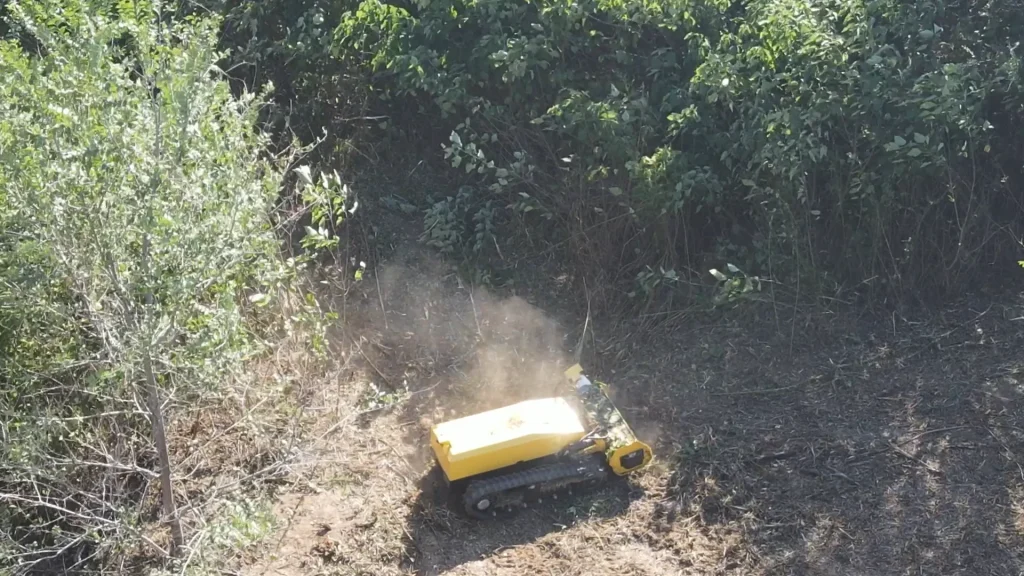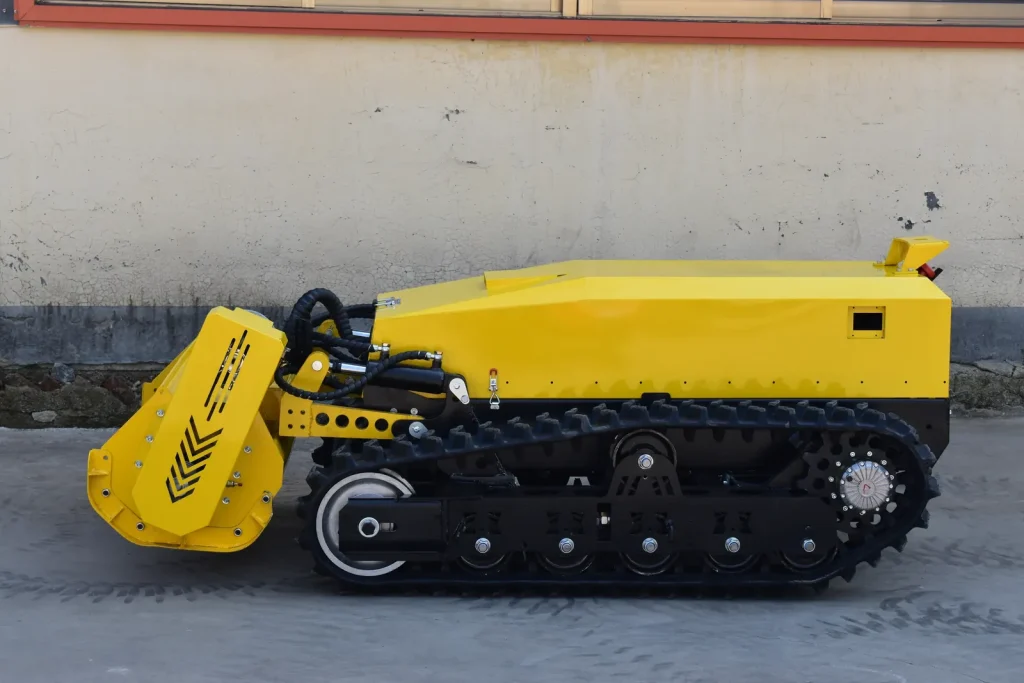

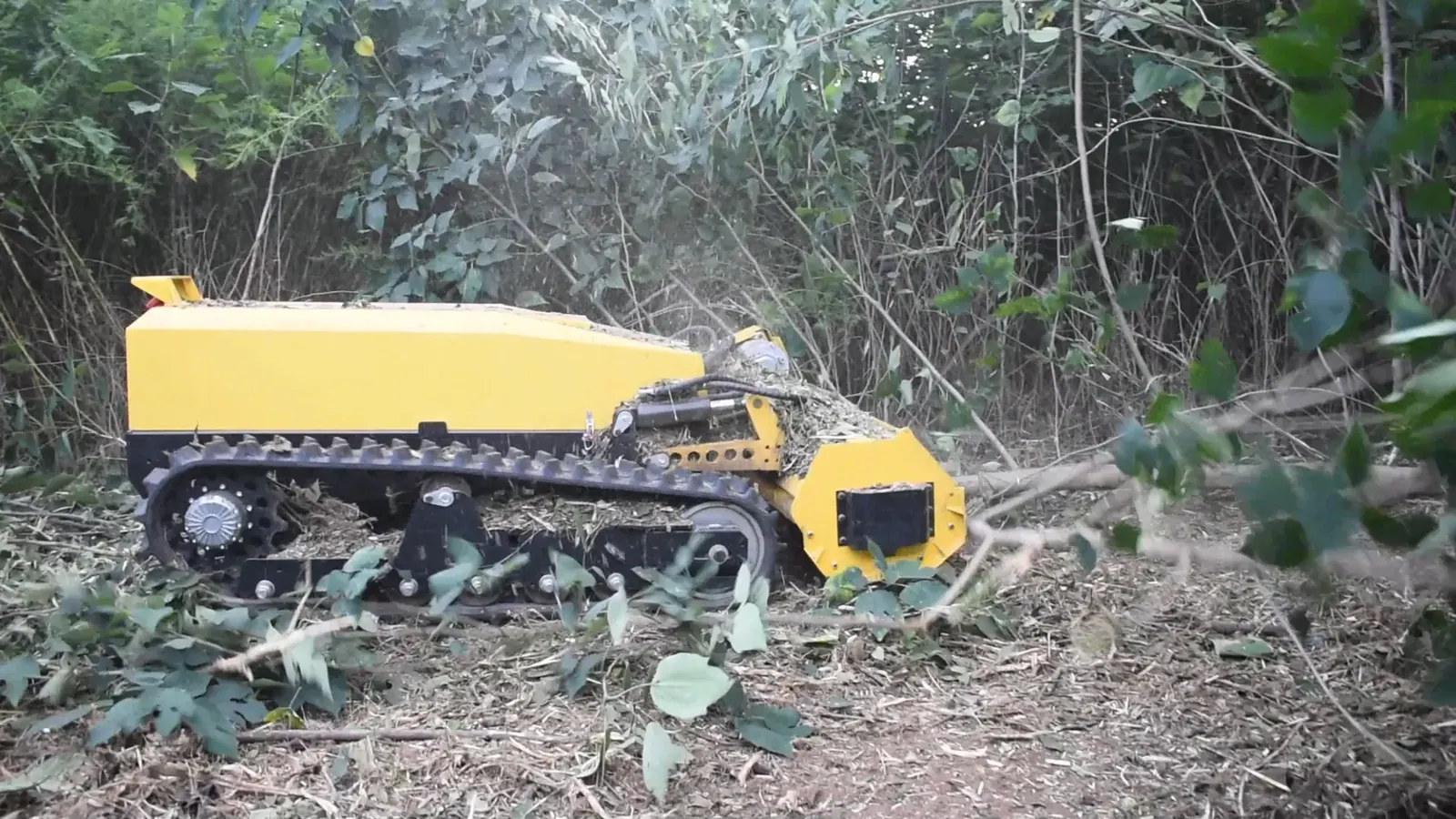
We design a brush cutter cutting head around the point where vegetation meets the rotor. Cutting width sets the width of a pass. The head’s layout helps manage how much material the tools meet as the machine advances.
Ground speed, head position and the vegetation ahead all affect the cutting load. We combine the head’s mechanical feed control with an operator who watches the cutting response and adjusts the pass.
Start where the vegetation meets the rotor
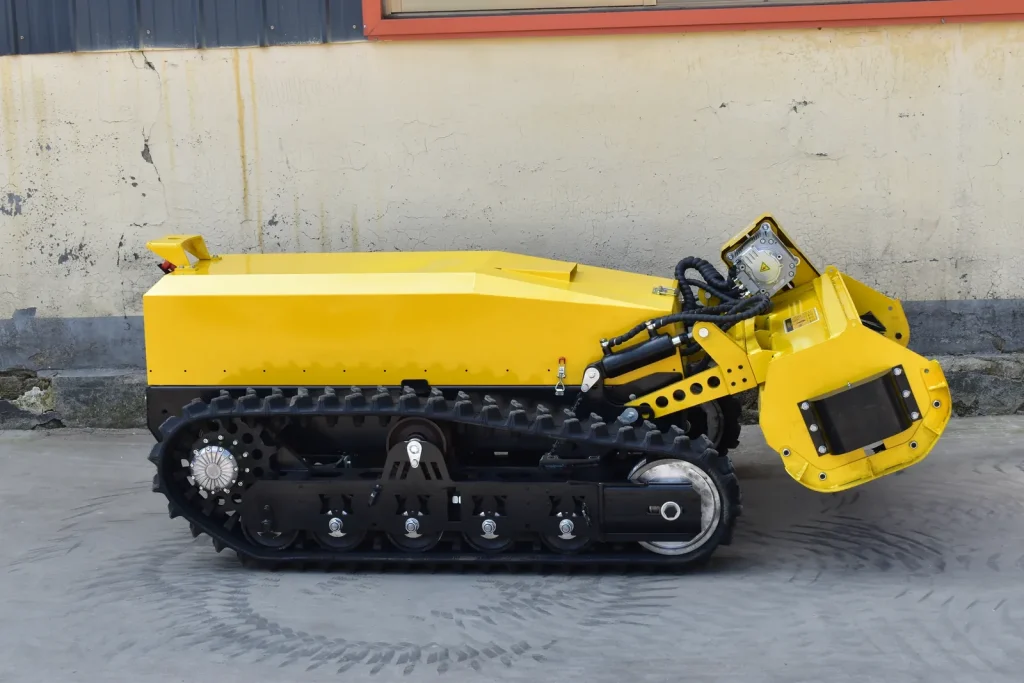
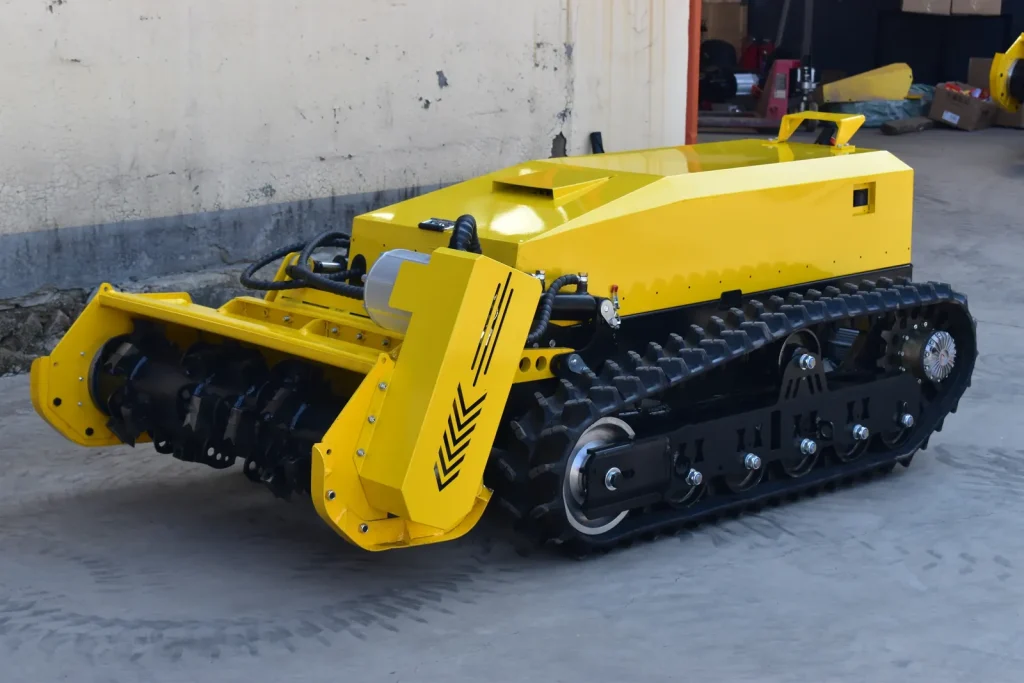
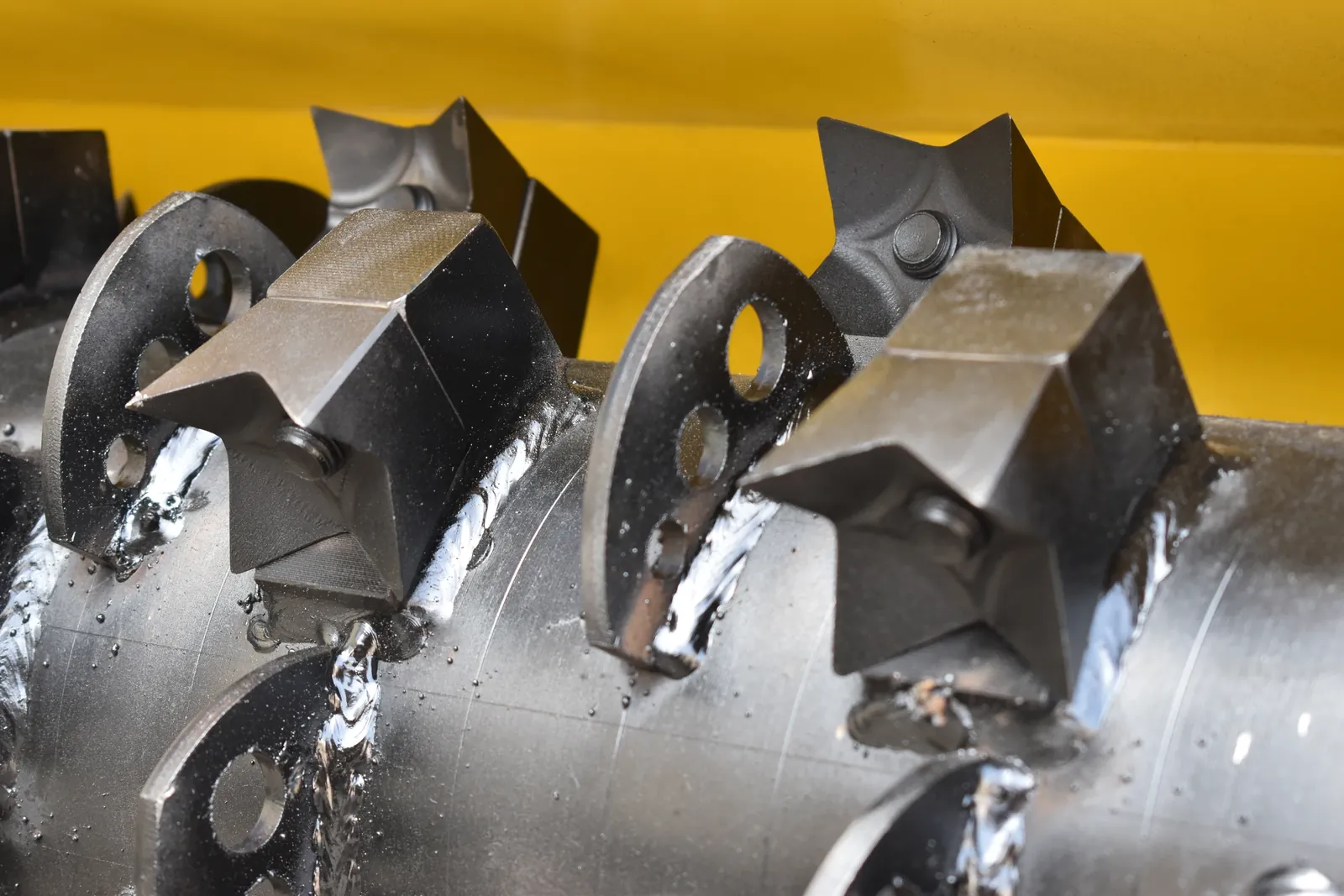
Our cutter assembly uses limiting plates to manage how material reaches the cutting tools. They are part of the head’s mechanical layout, alongside the rotor and the cutting tools themselves. We consider those parts together because changing the entry of material changes the demand placed on the rotating assembly.
A close view of the cutting head shows the space around the tools and the plates ahead of them. These are the parts that meet the work and control the entry of material.
Adjust the feed as the load changes
Vegetation can change from an open patch to a tightly packed clump within one pass. Watch the cutting response as the head enters denser growth, and adjust the feed to the material in front of it.
If the cutting shaft slows, back away from the loaded area and let the rotor recover speed before continuing. A falling shaft speed is the signal to reduce the load.
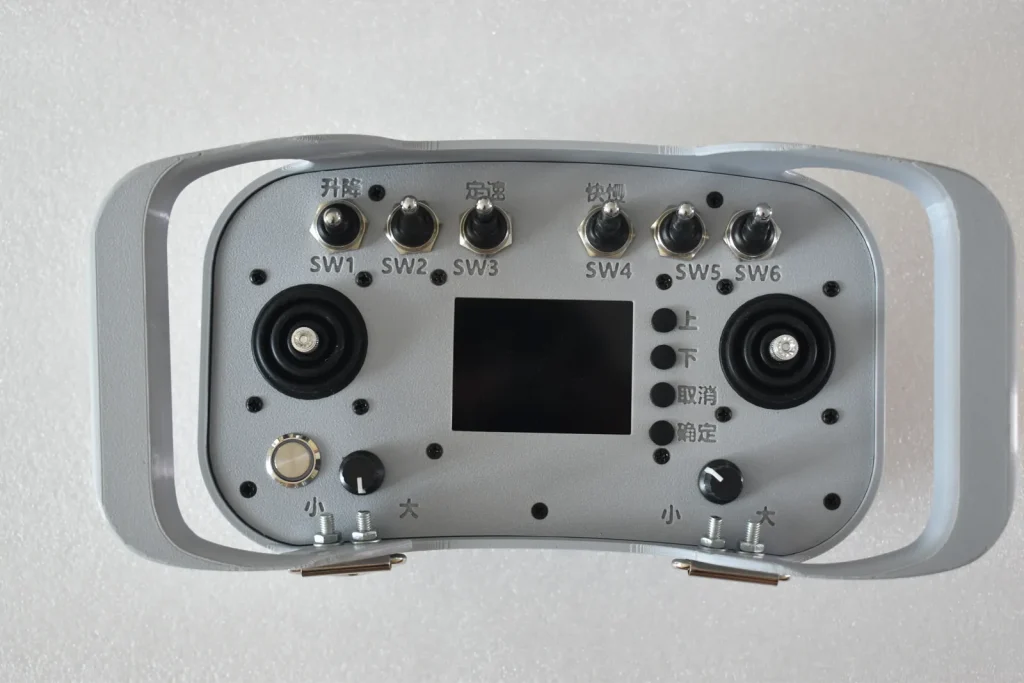
We ask operators to make this a working habit: observe the head, listen for a change in speed and adjust the feed. Use the controls and work within the conditions specified in the operating instructions supplied with your machine.
Look at the cutting action and the finish
The limiting plates, cutting tools and rotor have different roles. The plates influence how vegetation enters the head. The tools meet that vegetation as the rotor turns. The operator then controls the rate of advance into the material ahead.
Describe the finish as well as the growth. A job to bring overgrowth down, a requirement to reduce woody material, and a site maintained on regular visits give us different starting points for a cutting discussion. Photographs of the standing vegetation and the result you want are more useful together than either on its own.
Head position belongs in that discussion too. Our guide to the cutting-head lift explains the arms, cylinders and connection points used to adjust the assembly.
The ground belongs in the assessment
Before cutting starts, we ask the operator to inspect the area for stones, wire and other objects. A photograph of tall vegetation may hide the surface beneath it. Clearing those objects from the work area is part of preparing the job, even when the visible task is simply to remove the growth above them.
The cutting tools should also be kept out of the soil. Positioning the head and assessing the surface are related decisions. We use the available head adjustment to position the assembly for the work, following the instructions for the supplied machine.
Keep the cutting assembly complete
We check the cutting tools, their fasteners and the guard before starting. Stop if a blade is missing or broken, and repair the assembly before returning to work. Keep the full set of cutting tools secure and in good condition.
If material needs to be cleared or a component inspected, switch off the machine and wait for the cutting assembly to stop completely before approaching it. Use the prescribed isolation and service procedure for the machine. Hands and feet stay away from a rotating rotor, including while it is coasting down.
For a closer view of the assembly and its supporting systems, visit our technology page. To discuss a cutting job, send us the vegetation and ground conditions through our contact page. Those details help us consider the work alongside the machine configuration.