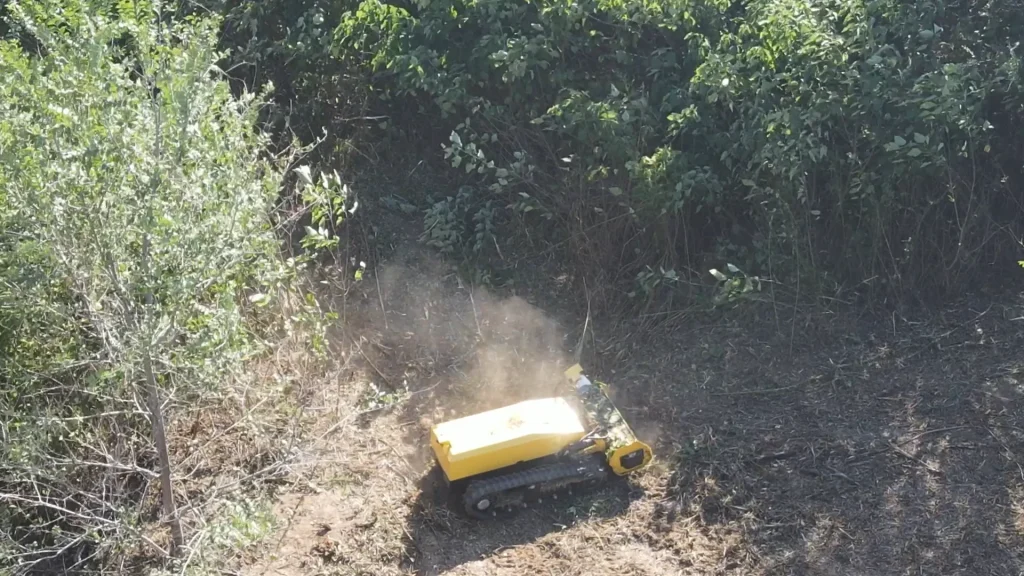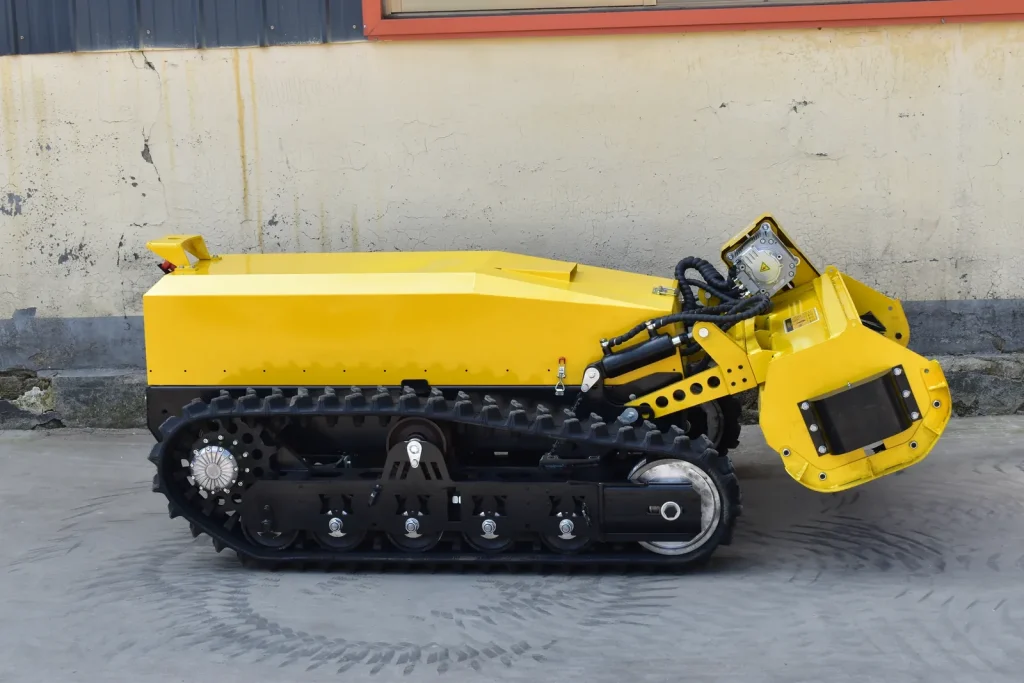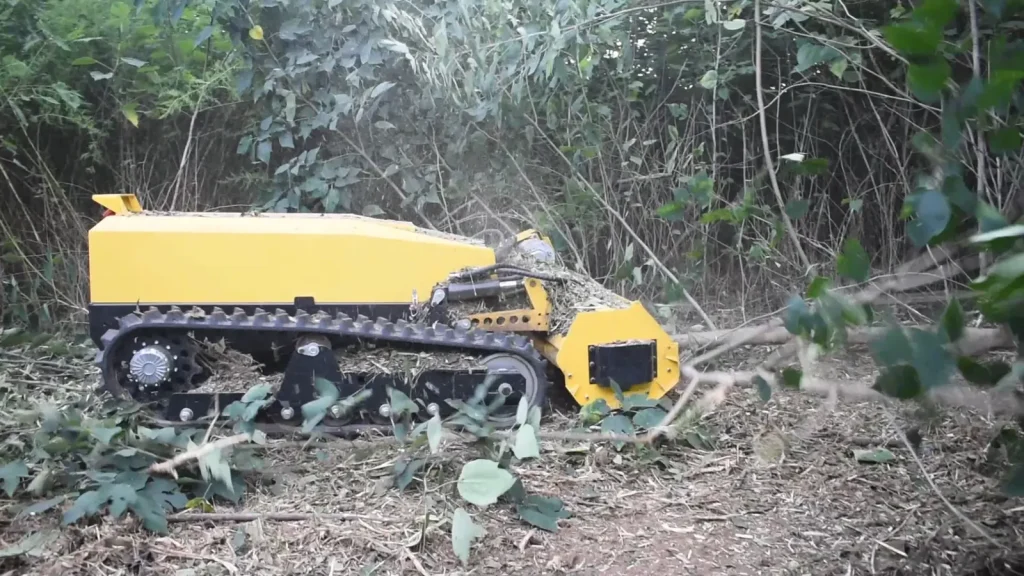

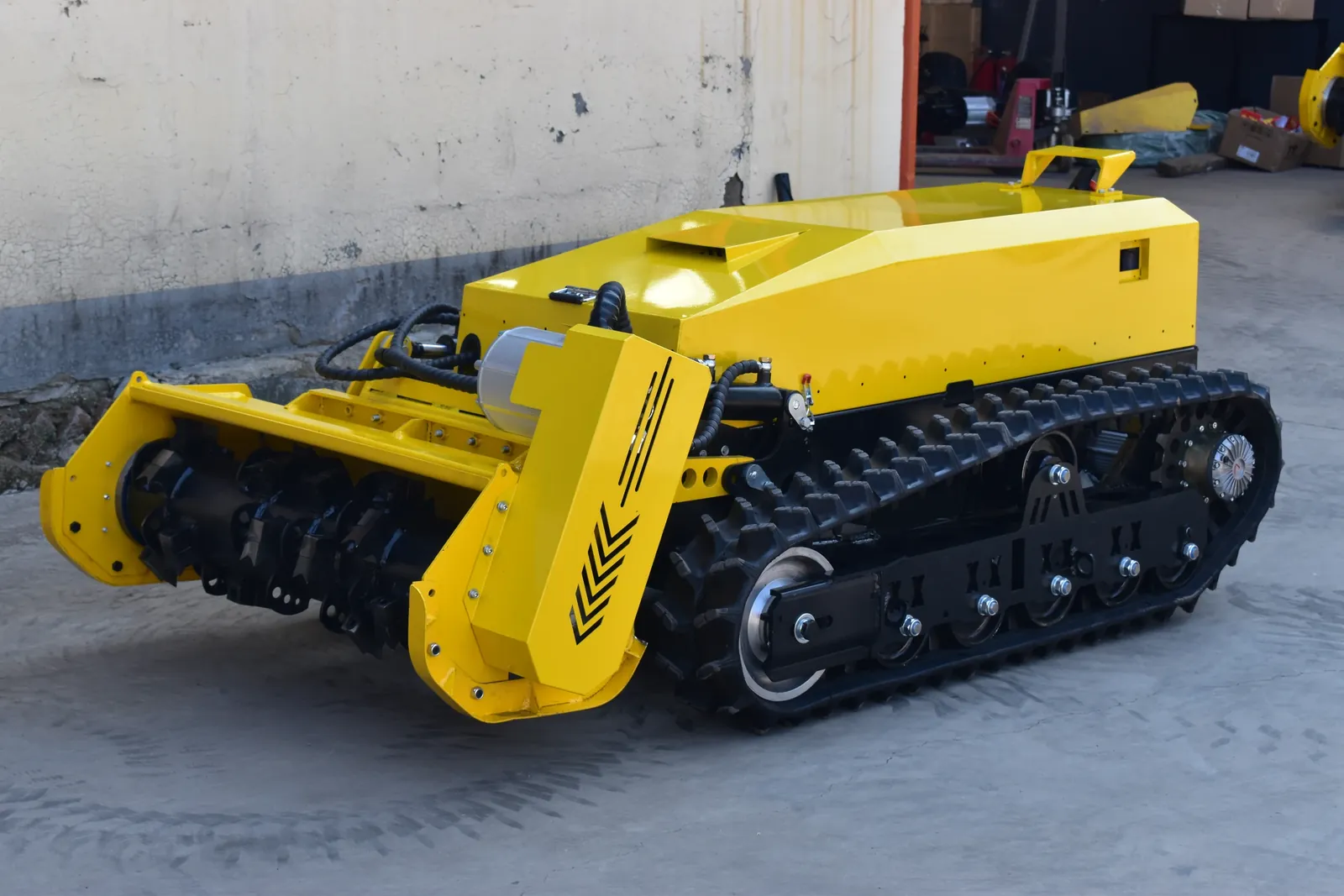
When we consider an electric brush cutter battery, we start with the working day. What needs cutting? How dense is the vegetation? Where can the machine be charged? Those questions help us put battery capacity in the context of the job.
We choose capacity to fit both the cutting task and the site’s working pattern. The battery supplies energy for travel and cutting, and the machine needs access to charging before its next period of work.
Begin with the vegetation and the working pattern
Routine grass maintenance and clearing a dense patch of growth place different demands on the cutting head. The amount of time spent cutting also matters. We want to understand whether the machine will work in short sections through the day or spend longer periods on one area.
Travel between work areas also uses battery energy. We consider that movement alongside the time spent cutting when discussing the work planned for a day.
Working conditions and cutting load affect operating time. Send us a description of the site with clear photographs, so we can discuss capacity against the vegetation and the work you plan to complete.
Connect the battery to the working systems
We use lithium iron phosphate, or LiFePO4, batteries in our electric mower and brush-cutter platforms. The battery supplies the machine’s electric systems, so we consider its capacity alongside the motor arrangement and controls.
When discussing a machine, we keep the battery and charger details together. Check the full specification for the model you are considering, including the battery fitted and the charger supplied with it.
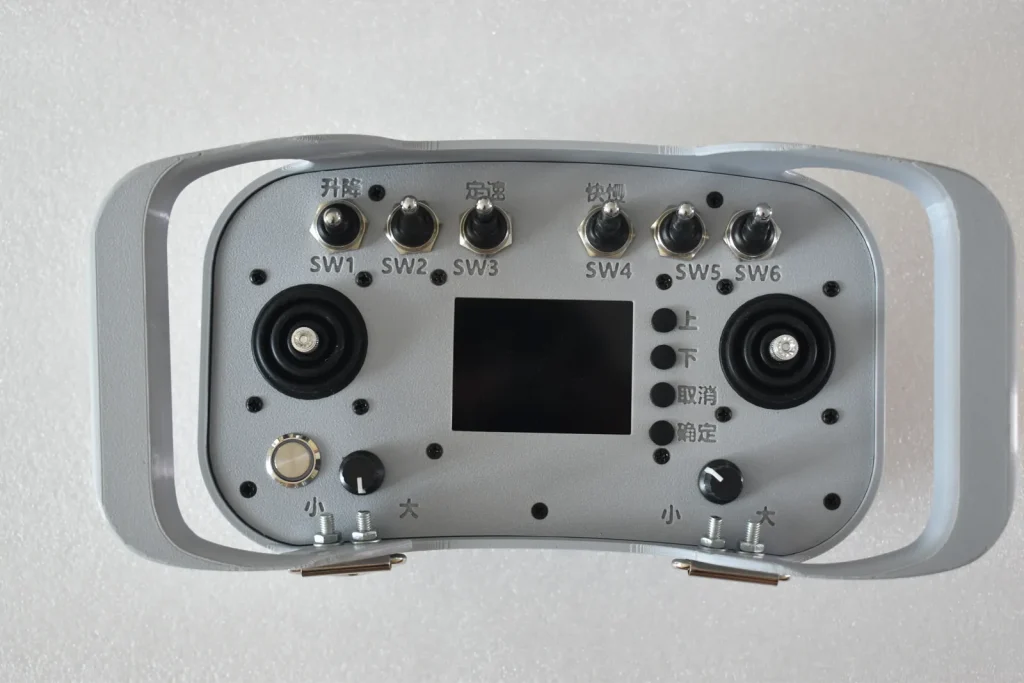
We monitor battery state and communicate that information through the machine’s electronics. The display gives the operator battery information during work; its layout and indications depend on the controller fitted to the machine.
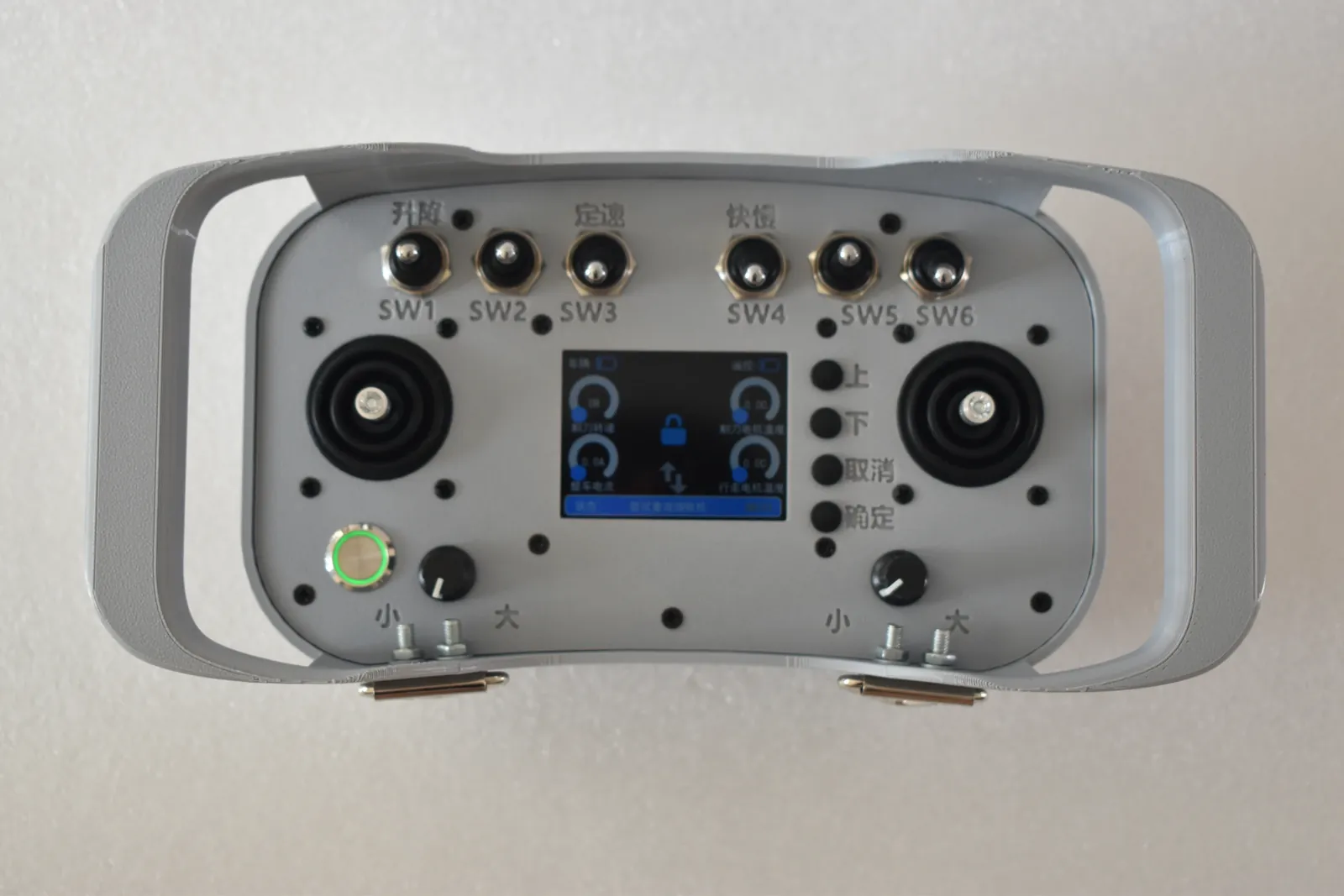
Check the machine and the handset separately
Before the first pass, check the machine and handset battery levels separately. The machine may have enough charge for the planned work while the controller needs charging or battery care. Prepare both before starting.
Continue watching the battery indications during work and make time for charging in the schedule. Follow the handset’s instructions for its own charging or battery-care requirements.
Match the charger to the working plan
Battery capacity and charger output answer different questions. The battery’s energy rating describes the reserve carried by the machine. The charger’s input and output ratings describe the electrical supply it needs and the charging side of the system.
For a purchase discussion, send the available supply voltage and frequency, where the machine will be parked for charging, and the charging periods available during the day. Include the charger label when discussing an existing machine. Those details give us a useful basis for checking the battery and charger together.
A short break between work areas and an overnight charging period lead to different working arrangements. Put those periods beside the expected cutting and travel time, rather than choosing a capacity from the area of the site alone.
Put charging access into the plan
Before choosing capacity, establish where charging can take place and when the machine will be available for it. Access during a break is different from access only after the working day has ended. We consider that pattern alongside the cutting task.
Use the specified charger and follow the charging instructions delivered with the machine. Our operating manual calls for a dry, ventilated charging environment away from flammable materials. Longer storage also has its own battery-care instructions, which should stay with the machine.
If you are comparing the TOSEN product range, send us the vegetation, terrain and working pattern through our contact page. We can then discuss battery capacity alongside the drive and cutting systems, with the job itself as the starting point.