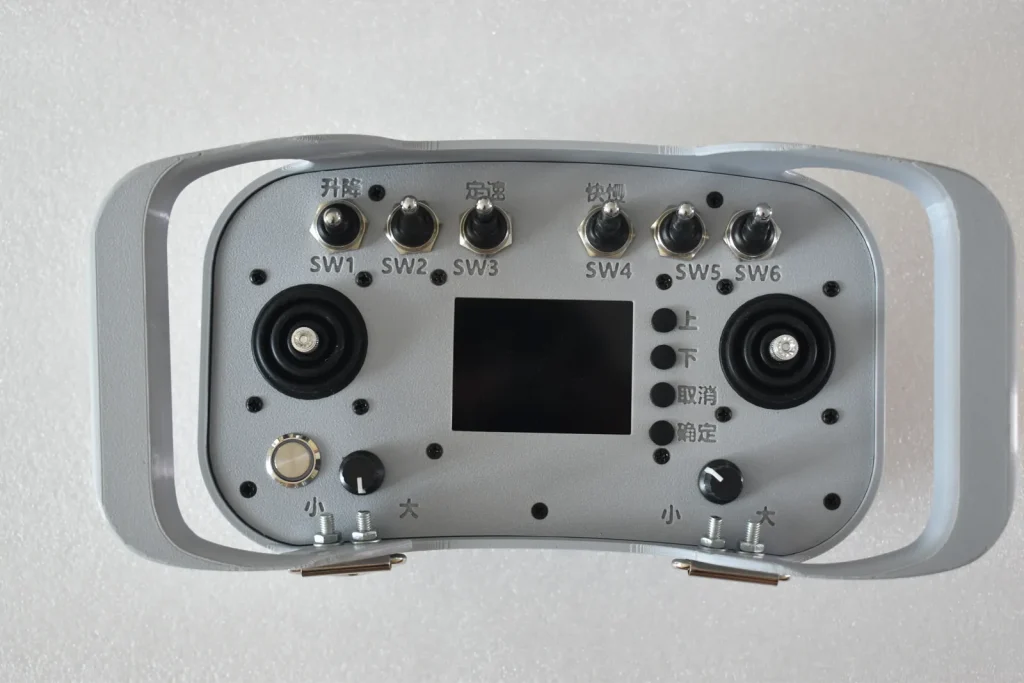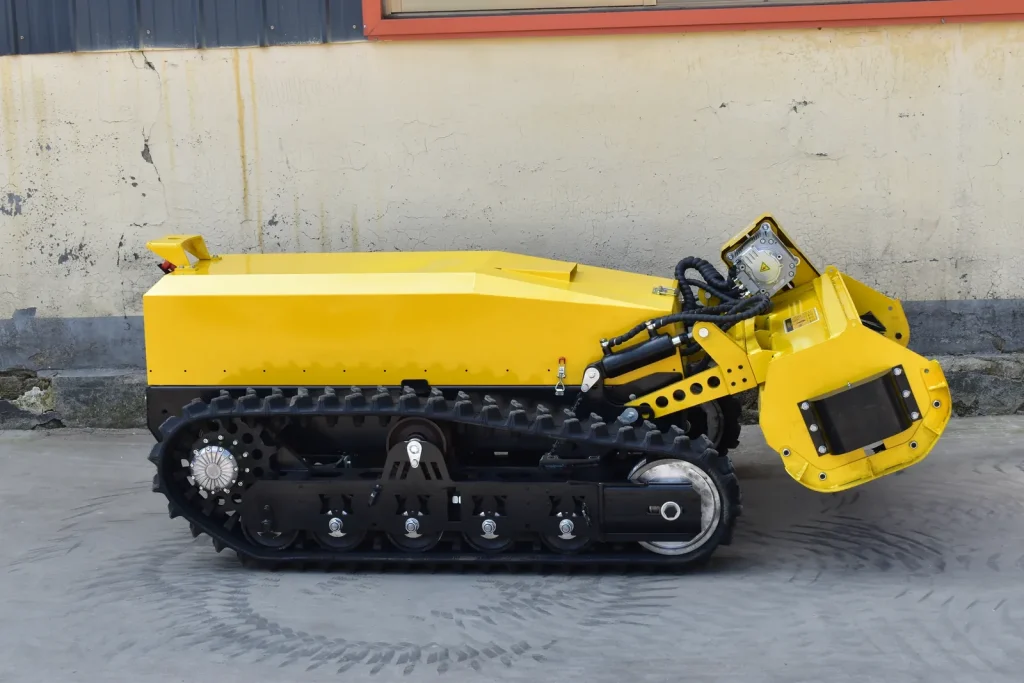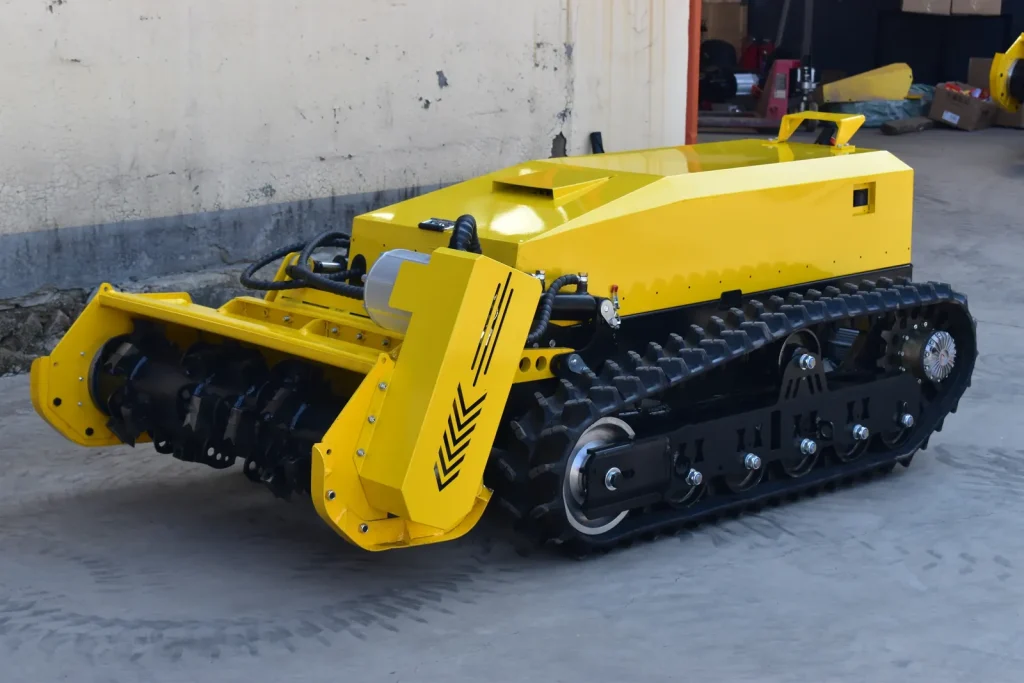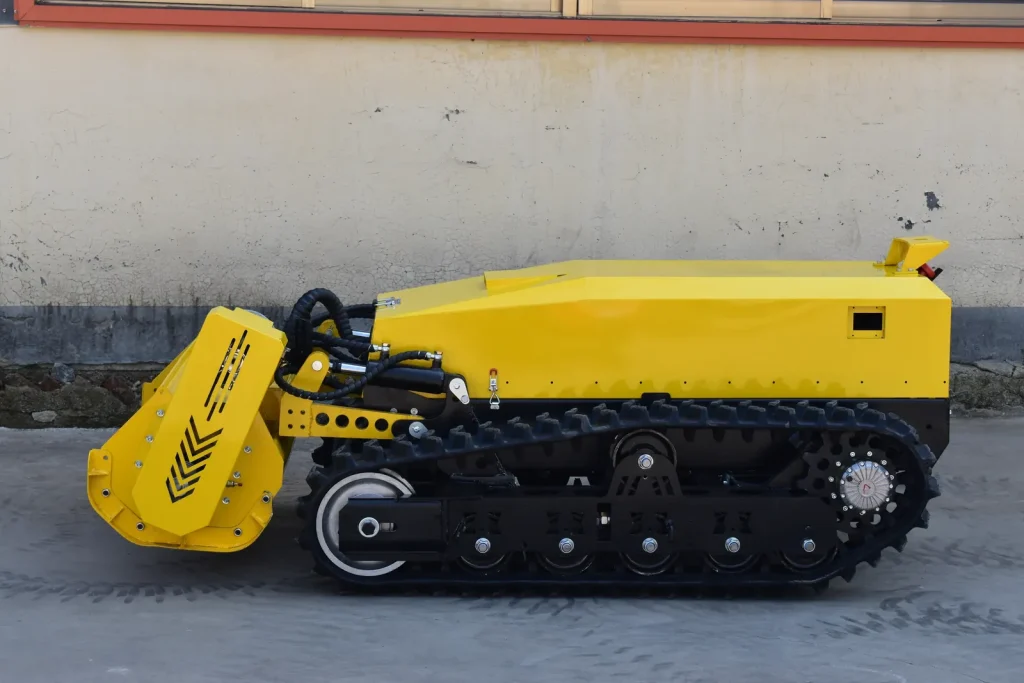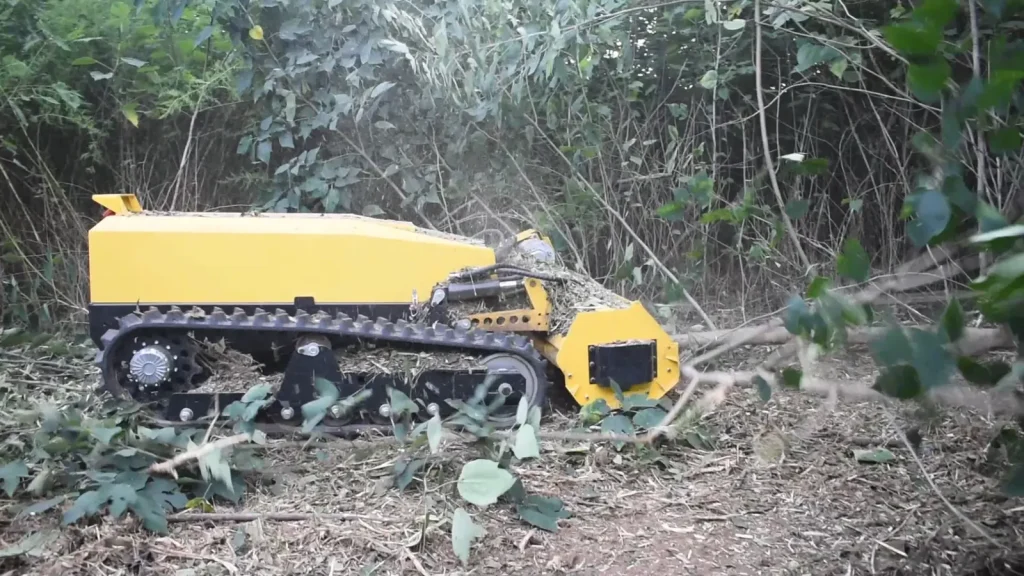

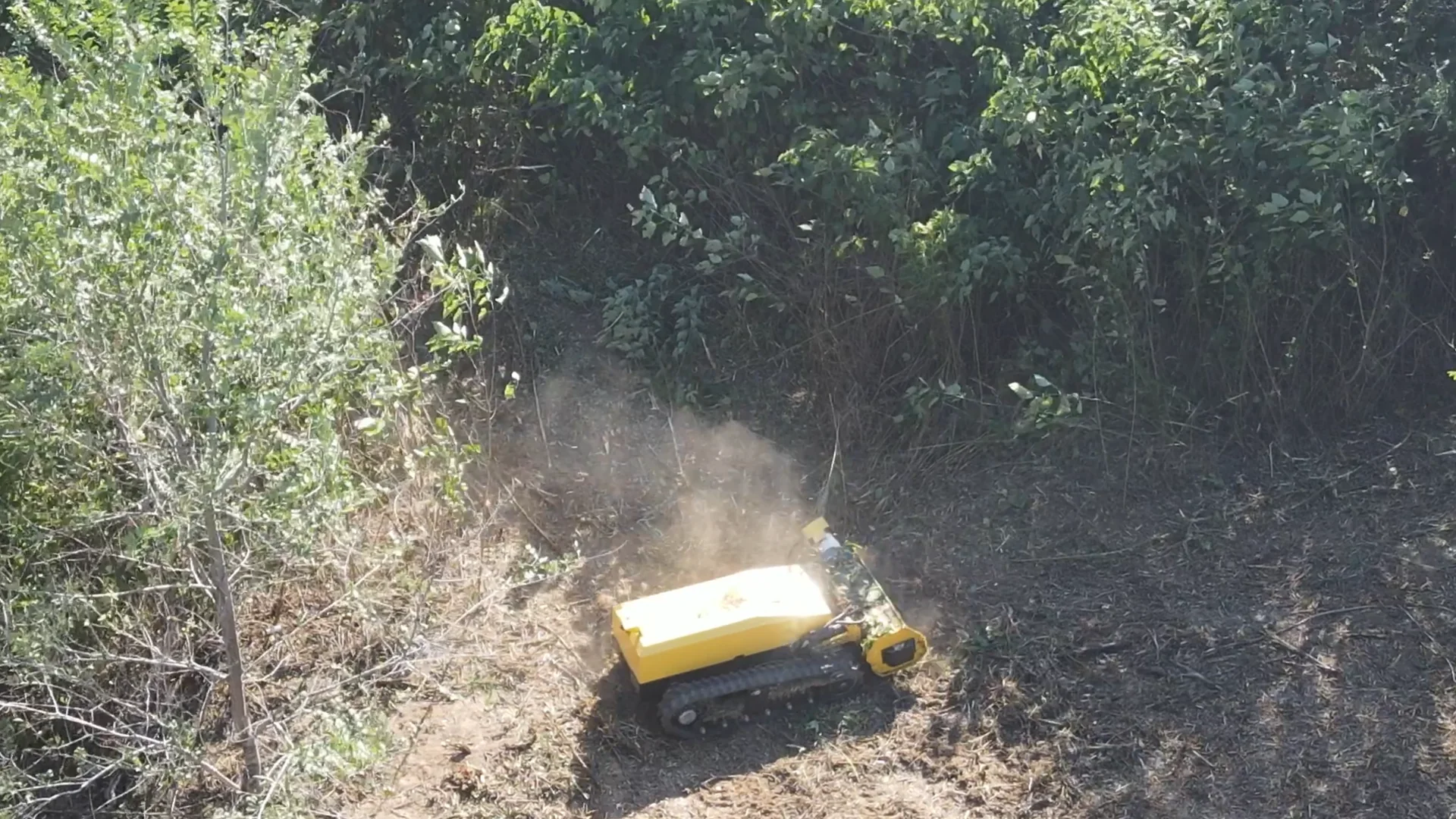
A wide photograph shows us the site. A closer one shows what the cutting head will meet. Grass, tangled stems and woody brush call for different conversations, even when the area is the same size.
Before we recommend a mower or brush cutter, we look at the vegetation, access and the finish you want to leave. Those details help us compare the cutting assembly and machine configuration around the actual job.
Begin with the growth and the result
Describe what is standing on the site now. Is it mainly grass, heavy weeds, tangled stems or woody growth? Show its height and density, with something familiar in the photograph to give a sense of scale. Where branches are involved, a few close views are more useful than one estimate of the thickest stem.
Then describe the result. Regular mowing, bringing neglected growth down and reducing woody brush are different tasks. A photograph of the finish you want can make that distinction clear. It also helps explain whether the machine will maintain the site on repeated visits or face a heavier first clearance.
Our cutting-head guide explains how the rotor, tools and entry of material affect the cutting load. For selection, start with the vegetation and the result, then look at the assembly that will meet them.
Show the ground and the way in
Include the ground beneath the vegetation. Surface conditions, obstacles and changes in level belong in the assessment alongside the visible growth. Show access routes, gates, narrow passages and the space available to turn or move between work areas.
Record the narrowest access dimensions and show where they were measured. A machine’s overall width and its cutting width describe different parts of the job: one affects passage through an opening, while the other describes the width of a cutting pass.
For sloping ground, include a wide view that shows the slope and the route being considered. Identify wet areas, ditches and abrupt changes in level in the site description. Match the proposed work to the operating conditions of the selected machine.
Put the machine into a working day
Site area is one part of the brief. Tell us how much of the day is available for cutting, how far the machine will travel between areas and where charging can take place. A machine that returns to a charging point during the day has a different working arrangement from one that stays away from power until evening.
Include who will operate it and how it will be moved to the site. These details connect the cutting task with access, transport and the time available. Our battery-capacity guide takes that working-day discussion further.
Send a short site brief
A useful first message can be short. Send:
- The work: what needs cutting, its approximate height and density, and the finish required.
- The site: ground conditions, access dimensions, obstacles and the route between work areas.
- The schedule: available working time, charging access and how often the site will be maintained.
- Three views: the wider site, the vegetation close up, and the ground or access point that needs attention.
For an order discussion, add the country, delivery location, expected quantity and timing. If the machine is for resale, say which type of work your customers need it to do.
Send us your site details and we can discuss the TOSEN mower and brush-cutter range around that brief.