

TOSEN / APPLICATIONS
Mowing and clearing
Across varied terrain
The same electric mower family, selected around vegetation, access and terrain.
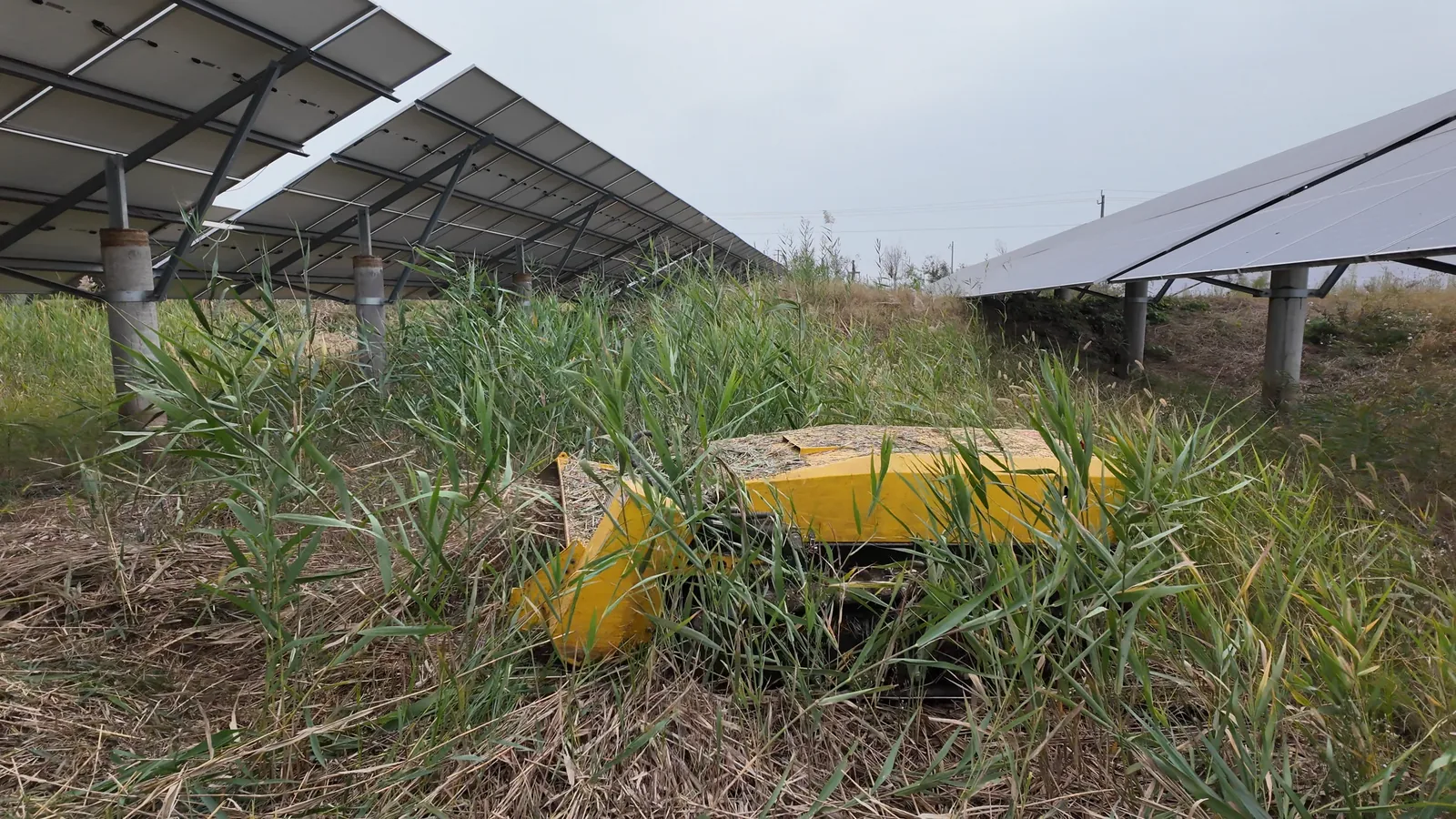
Solar farms
Solar farms
Vegetation management on a solar site starts with clearance. Panel height, support spacing and cable routes determine where a machine can travel and cut. Share the lowest clearance, narrowest access and ground conditions so we can discuss mower dimensions and a cutting setup for the site. Check the full machine envelope, turning space and exposed infrastructure before selecting a configuration; cutting width alone does not establish whether it fits.
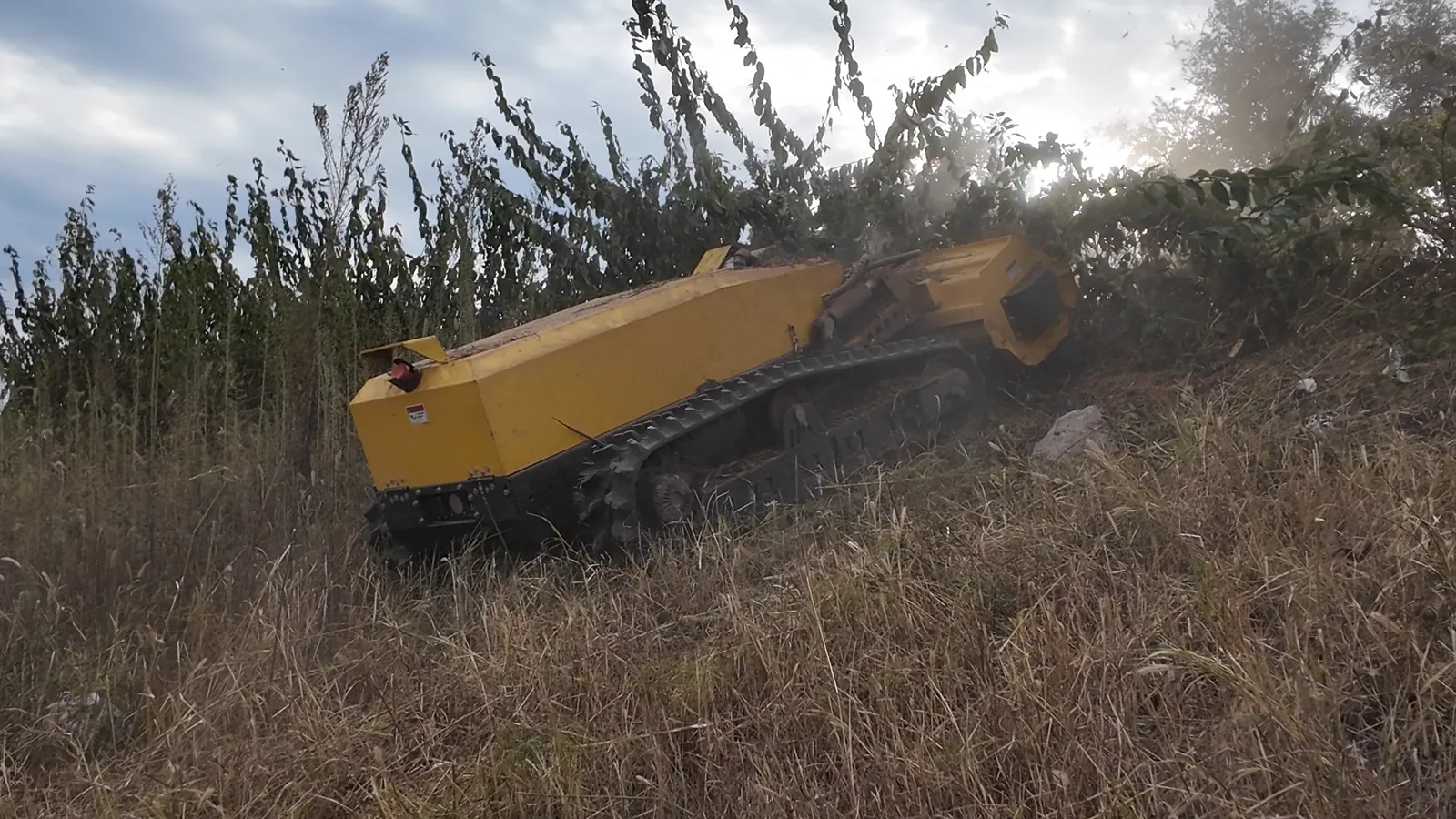
Slopes & embankments
Slopes & embankments
A remote-control slope mower lets the operator control the machine from outside it. Suitability still depends on the slope, surface traction, access and intended direction of travel. Share the slope angle, site photos and details of wet or loose ground when discussing a configuration. Maximum climbing angle and maximum operating angle describe different limits, and neither should be treated as approval for every slope or ground condition.
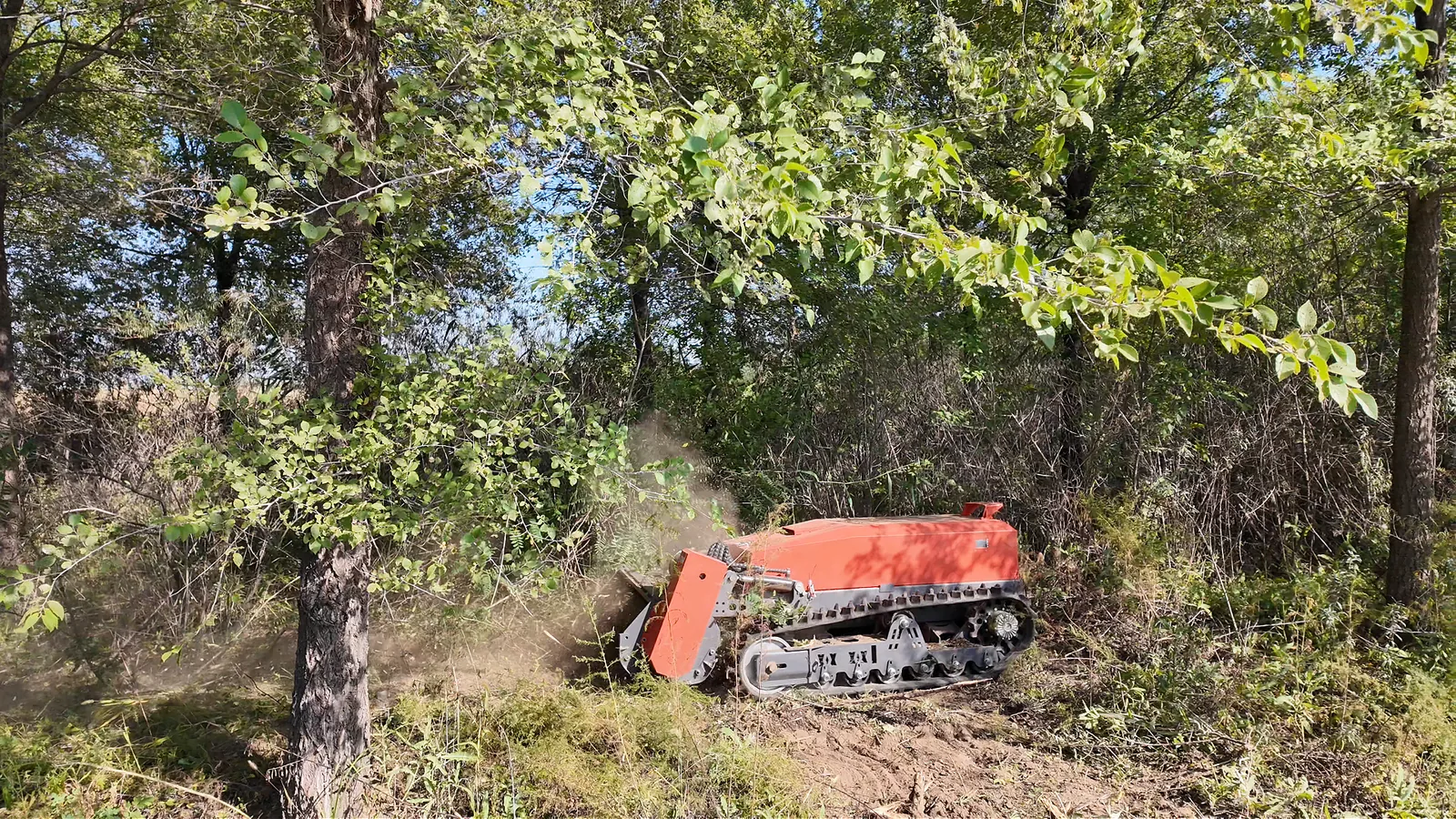
Brush clearing
Brush clearing
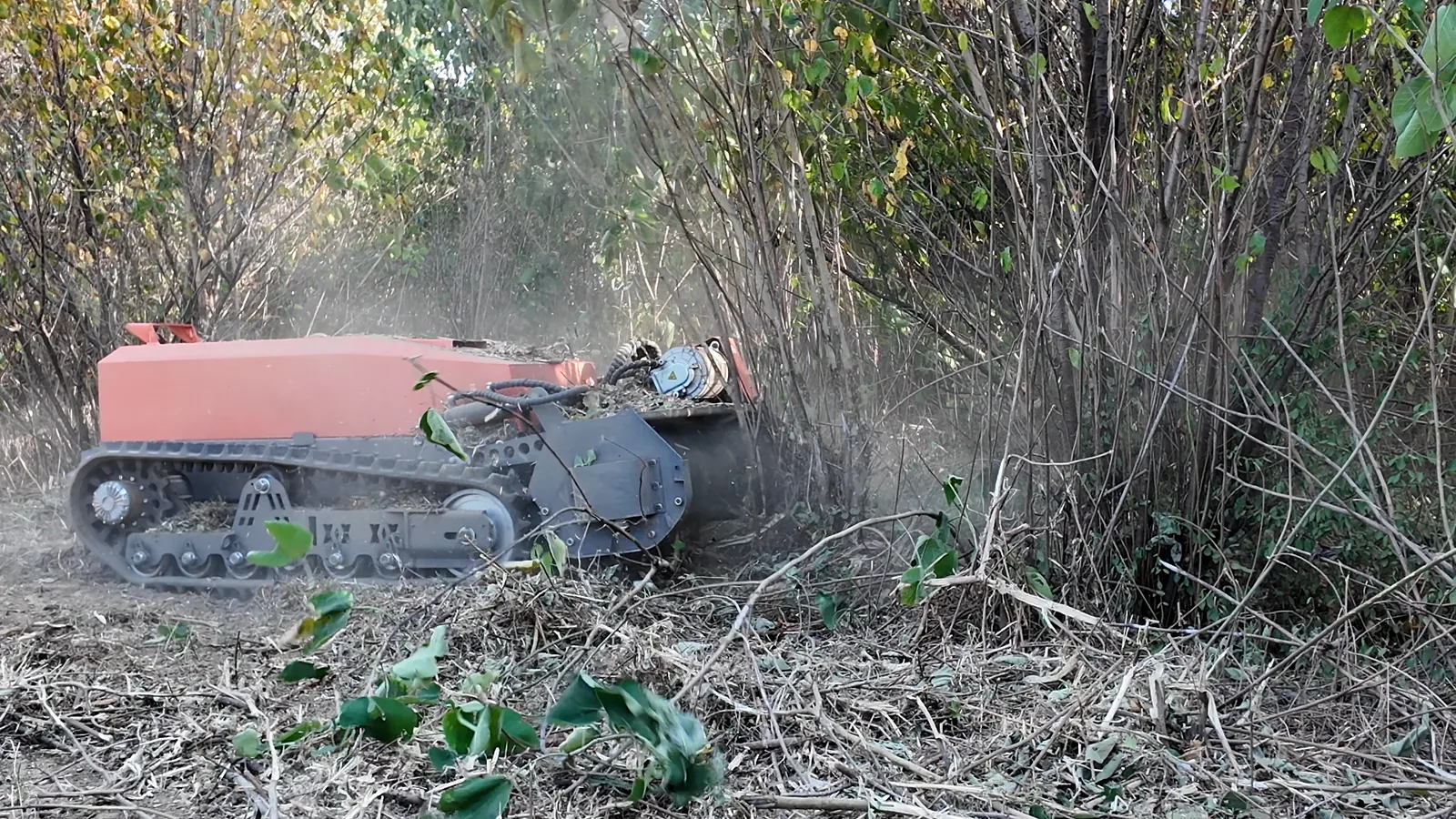
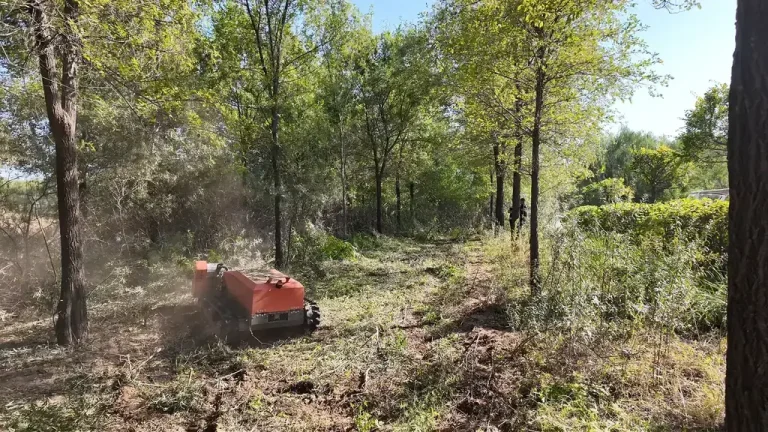
Overgrown land can combine tall grass, weeds, woody growth and hidden obstacles. Choose the cutting configuration around the vegetation and the ground beneath it, rather than the area alone. Photos of typical growth and stem thickness help us discuss the cutting setup and its limits. Check access, stones, wire and other concealed obstacles before work, and plan how the machine will enter, turn and leave the site.
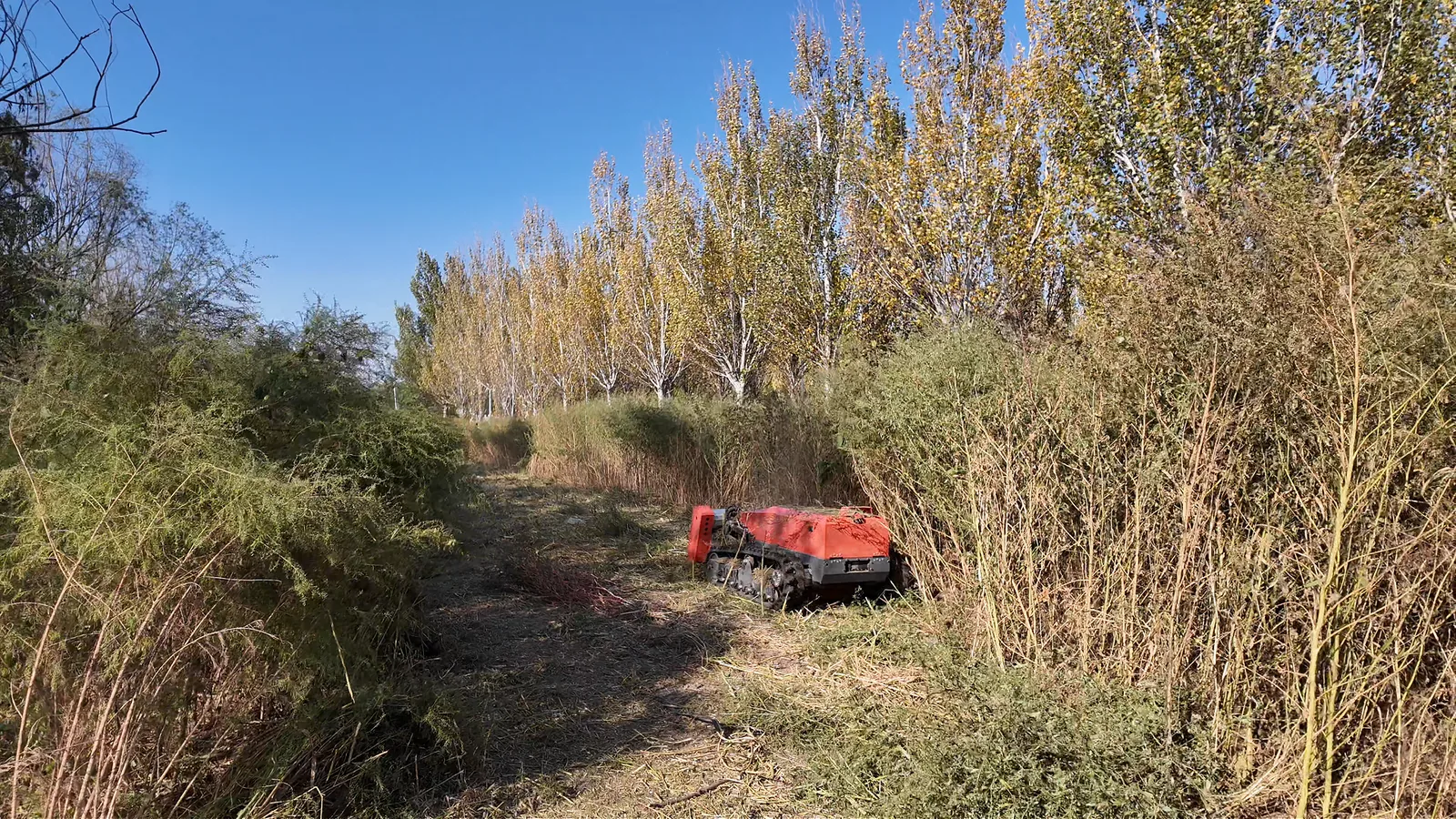
Farms
Farms
Farm vegetation work often includes access tracks, field margins and open areas around buildings. Match the mower to the route, the amount of growth and the daily work schedule. Compare overall dimensions with gates and narrow passages, then consider battery energy alongside working time and charging availability. Include photos of irregular ground or woody growth so we can discuss the configuration around the actual job and site access.
Orchards
Orchards
Orchard mowing starts with row spacing and the lowest branches. Machine width, overall height and turning space matter as much as cutting width. Tell us about the grass, fallen branches, exposed roots and irrigation lines between rows. Check the narrowest passage and the space at row ends, then discuss a configuration around the whole machine envelope, the ground surface and the way the orchard is maintained.
SOLAR FARMS
Vegetation control
around solar panels
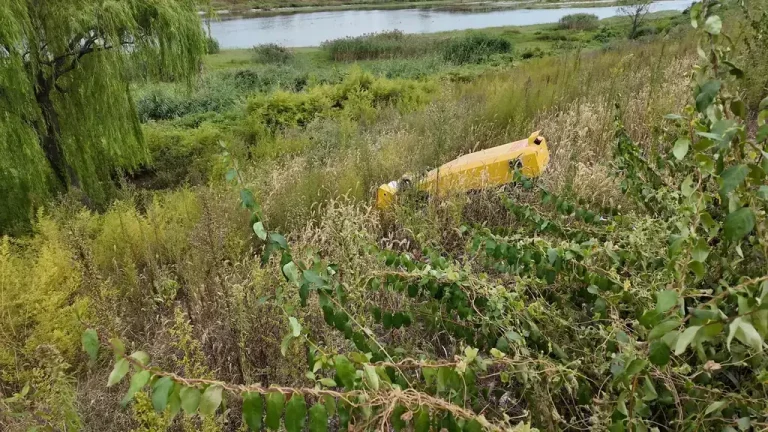
Vegetation management on a solar site starts with clearance. Panel height, support spacing and cable routes determine where a machine can travel and cut.
Share the lowest clearance, narrowest access and ground conditions. We can then discuss mower dimensions and a cutting setup for the site. Cutting width alone does not tell you whether a machine fits.
Lowest clearance · Access width · Cable routes
DISCUSS YOUR SITESLOPES & EMBANKMENTS
Slope mowing starts
with the ground
A remote-control slope mower lets the operator control the machine from outside it. Suitability still depends on the slope, surface traction, access and intended direction of travel.
Send the slope angle, photos and details of wet or loose ground. Maximum climbing angle and maximum operating angle describe different limits; neither should be treated as approval for every slope.
Slope angle · Surface condition · Travel direction
DISCUSS YOUR SITE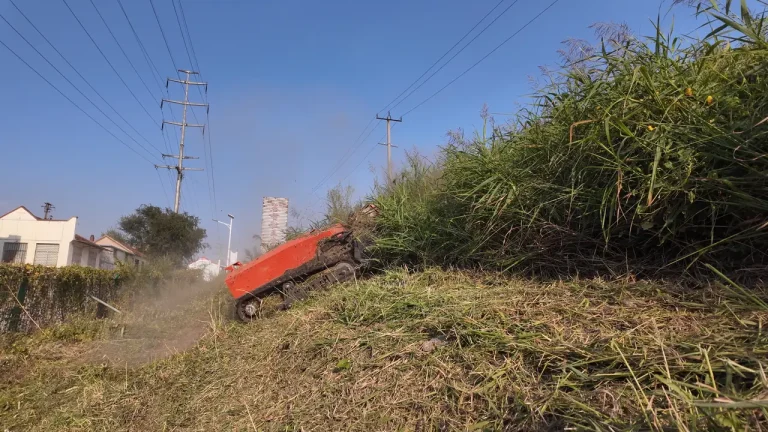
BRUSH CLEARING
Clear overgrown grass
and brush
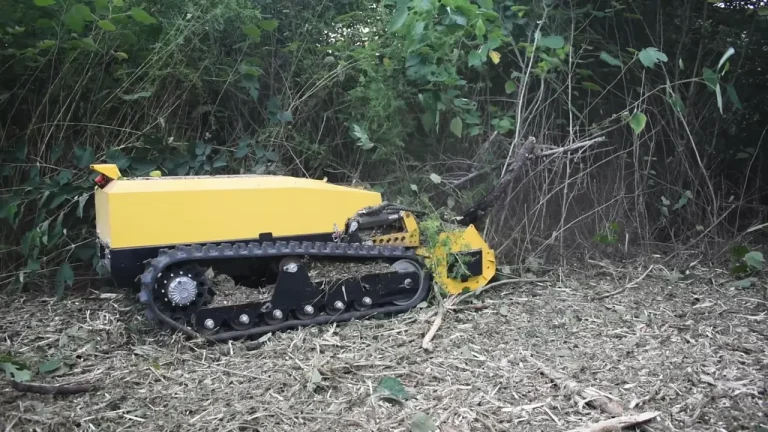
Overgrown land can combine tall grass, weeds, woody growth and hidden obstacles. A remote-control brush mower should be chosen around what needs cutting, not just the size of the site.
The TS-BC1000-30 pairs a 1,000 mm cutting width with a 9 kW cutting motor. Send photos of the vegetation and typical stem thickness so we can discuss the configuration and the cutting limits for your job.
Vegetation type · Stem thickness · Hidden obstacles
DISCUSS YOUR SITEFARMS
Keep farm tracks
and boundaries clear
Farm vegetation work often includes tracks, field margins and open areas around buildings. The mower needs to fit the route and the amount of growth, as well as the daily work schedule.
Compare cutting width with gates and access routes, then battery energy with working time and charging availability. For woody growth or irregular ground, include photos when asking for a configuration.
Gate width · Daily working time · Charging access
DISCUSS YOUR SITE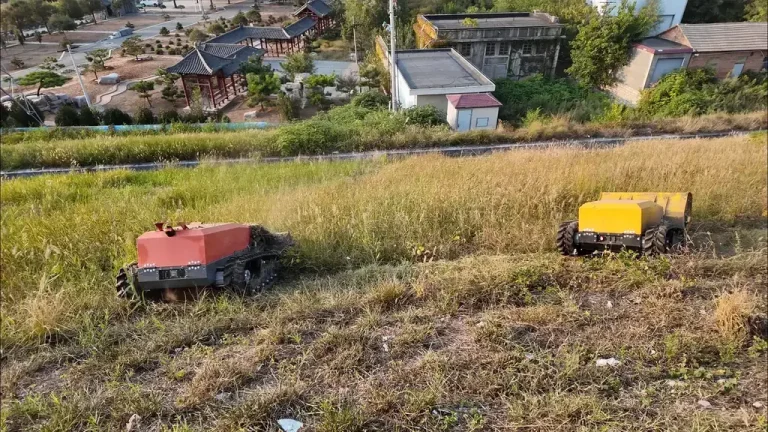
ORCHARDS
Mow the ground
between tree rows
Orchard mowing starts with row spacing and the lowest branches. Machine width, overall height and turning space matter as much as cutting width.
Tell us about grass height, fallen branches, irrigation lines and the surface between rows. The 800 mm and 1,000 mm configurations offer different dimensions and battery options; choose around the space the whole machine needs.
Row spacing · Branch clearance · Irrigation lines
DISCUSS YOUR SITETell us about your site
Send the vegetation type, ground conditions and access dimensions. Add a few site photos if you are unsure which configuration to choose.